Dawn patrol at Playa Carmen
Notes from a season of mornings at one of Costa Rica's best beach breaks.
Jairo, co-host · February 8, 2026 · 6 min read
Playa Carmen is the most photographed wave in Santa Teresa, which is funny because nobody really photographs it. You don't see it on most boards in the lineup. People come here for it, paddle out, and forget to take their phone out of the dry bag, because once you're sitting on it, you're sitting on it.
It's a beach break in the most direct sense, sand bottom, peaks moving up and down the beach with the swell direction. Mid-tide on a small to medium pulse, with offshore wind, it's about as friendly as a fast wave gets. Bigger pulses turn it into a different animal, heavy, fast, less patient.
❝You don't see it on most boards in the lineup. People come here for it, paddle out, and forget to take their phone out of the dry bag.
What to expect, by season
Costa Rica's Pacific has two surf seasons. The dry season (December through April) brings cleaner mornings, smaller-to-medium swells, and far more crowds. Februarys are packed. The water gets a little cooler with the offshore winds.
Green season (May through November) is bigger and emptier. The same wave but with more juice in it, and fewer faces in the lineup. October is the wettest month, and many businesses close for a couple of weeks of rest. If you want quiet, that's when you come. If you want hand-rails on the wave, come in February.
Etiquette, in case you didn't know
Most lineups in Costa Rica are friendly. Most. The unwritten rules apply, and they apply here too. The person closest to the peak has priority. If you drop in on someone, apologize. Then don't do it again. Three drops in a week is enough to get you moved to a different break. Locals are local. They live here. They surf here daily. They've earned their priority. Respect that and you'll have a good week. Don't, and you won't.
- Watch from the sand for at least five minutes before paddling out.
- Sit slightly outside of the locals, don't compete for their peak.
- If someone gives you a wave, give one back later in the session.
- Reef-safe sunscreen, always. The ocean here is shared.
What to bring
Tropical wax. A rash guard (the sun moves fast even in the early light). Reef-safe sunscreen. A small dry bag for your key. A change of shorts for the ride home, the seat of an ATV gets sandy fast.
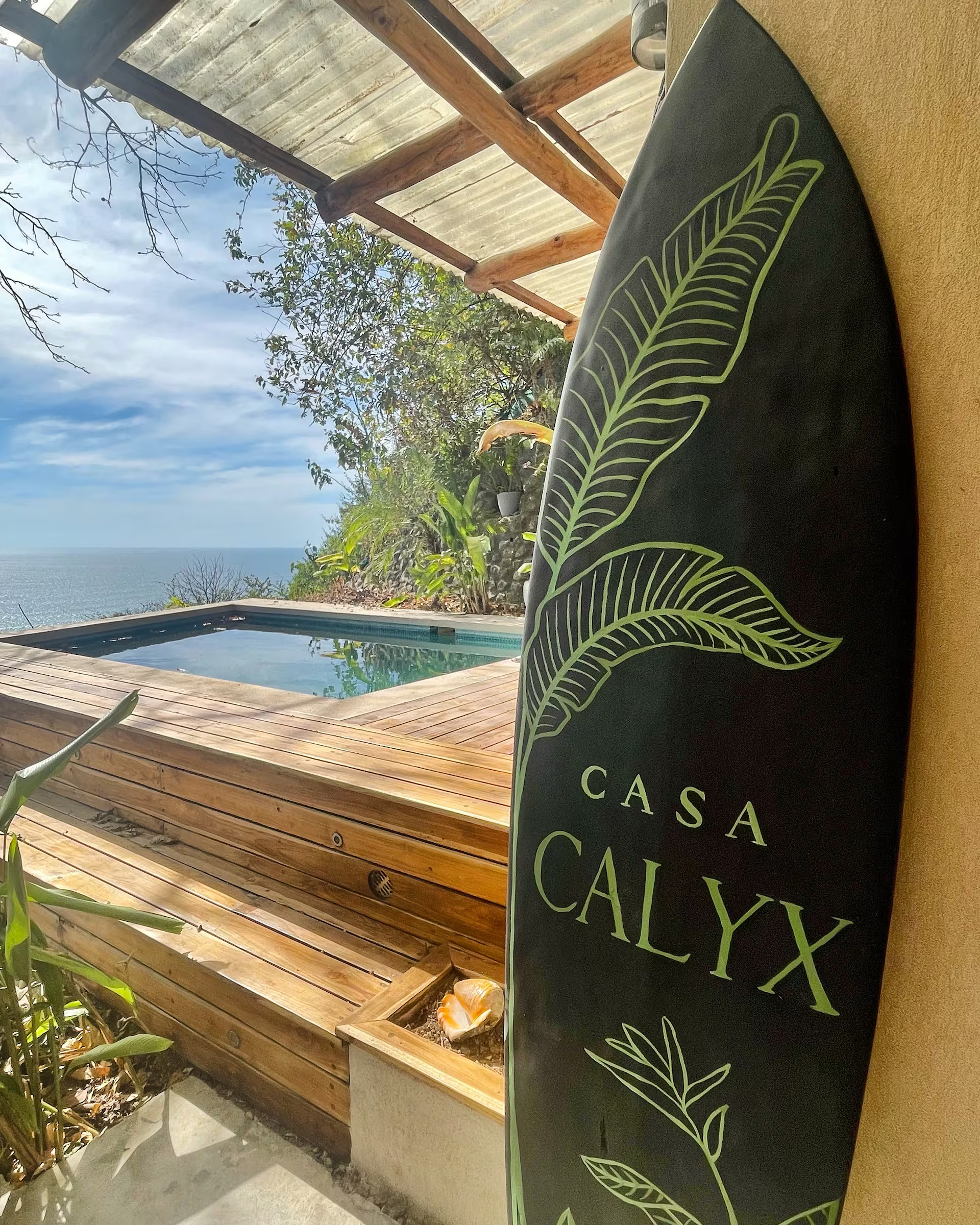
From Casa Calyx, it's a ten-minute walk down the mountain to the sand. Most guests rent an ATV in town, we can arrange one for you, but plenty walk in board shorts and rent a board from one of the shops near the beach. Boards range from $15 to $25 a day. The first lesson is the most worthwhile thing you can buy in town if you've never surfed; everything after that is repetition.
❝The first lesson is the most worthwhile thing you can buy in town if you've never surfed. Everything after that is repetition.
The thing nobody tells you
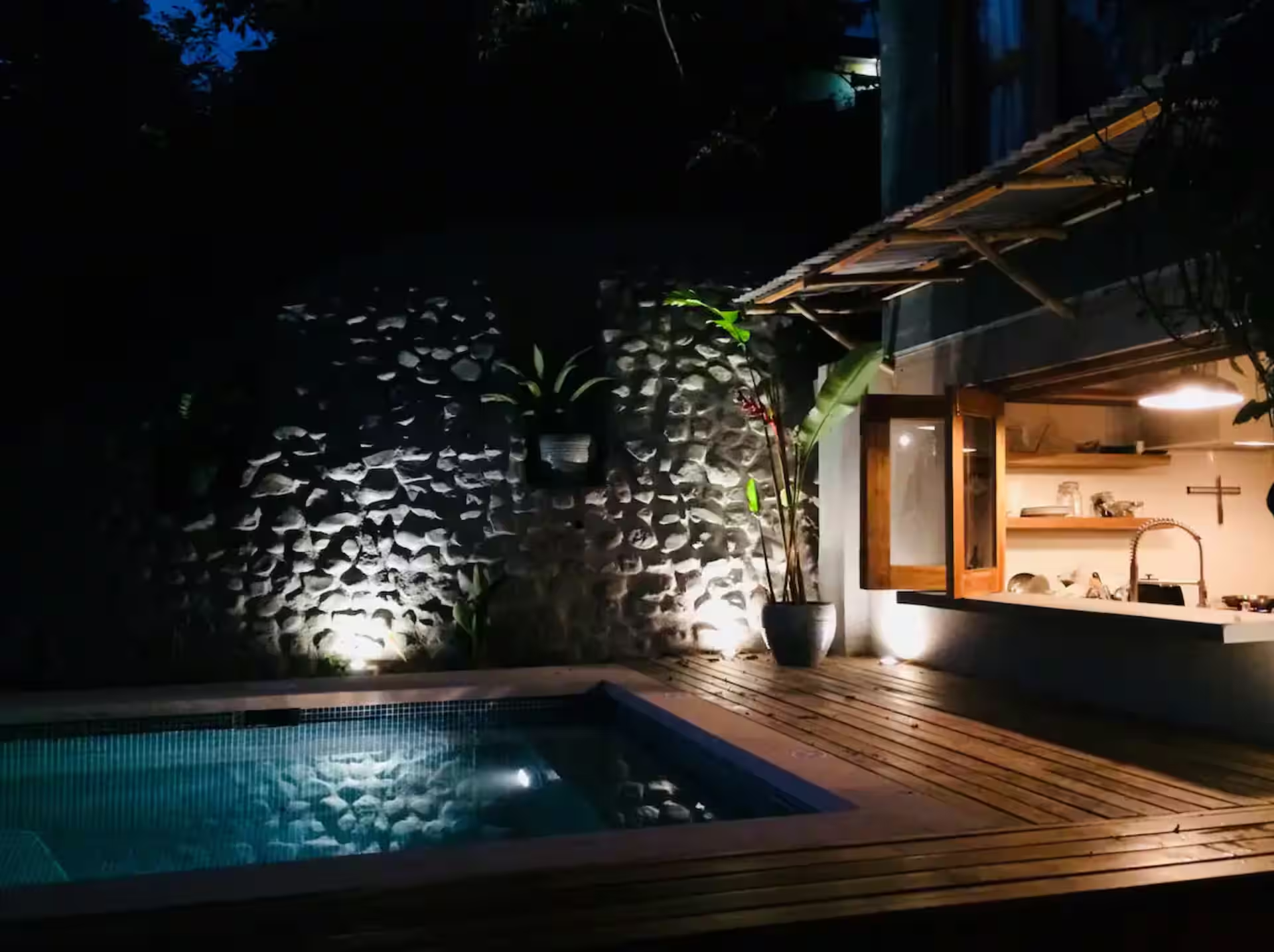
After a few days of dawn patrol, you'll come back to the villa and you won't want to do anything. You'll lie on the couch. You'll fail to read a book. The kitchen will seem far away. The pool will, briefly, seem like too much effort. This is normal. This is what a dawn session and a few hours in the salt water does. Lie down. Sleep. Have a coconut. Try again tomorrow.
By day four you've adapted. By day five you're stronger than you were when you arrived. By day six you're paddling out at dawn without thinking. And by the end of the week, you don't want to go home, which is, of course, the entire point.